

Your Health Doesn't Take a Summer Vacation. But It Can Relax.
How to stay grounded this summer without turning every holiday into a wellness project

Summer has a way of making you choose a side.
Either you track everything, plan every meal, find a gym wherever you’re staying, and come back from vacation feeling virtuous but vaguely exhausted. Or you decide it’s summer, throw the whole thing out, eat and drink in ways that don’t feel good, sleep terribly, and spend September trying to recover.
Most of the women I work with have done both at different points. Some cycle between the two every single year.
But there can also be a third option. One where you actually enjoy summer, where you eat the gelato and stay up later than usual, and don’t meal prep on the beach, and you also come back feeling okay. Not perfect. Just okay, and like yourself.
That’s not a compromise. That’s what sustainable health actually looks like.
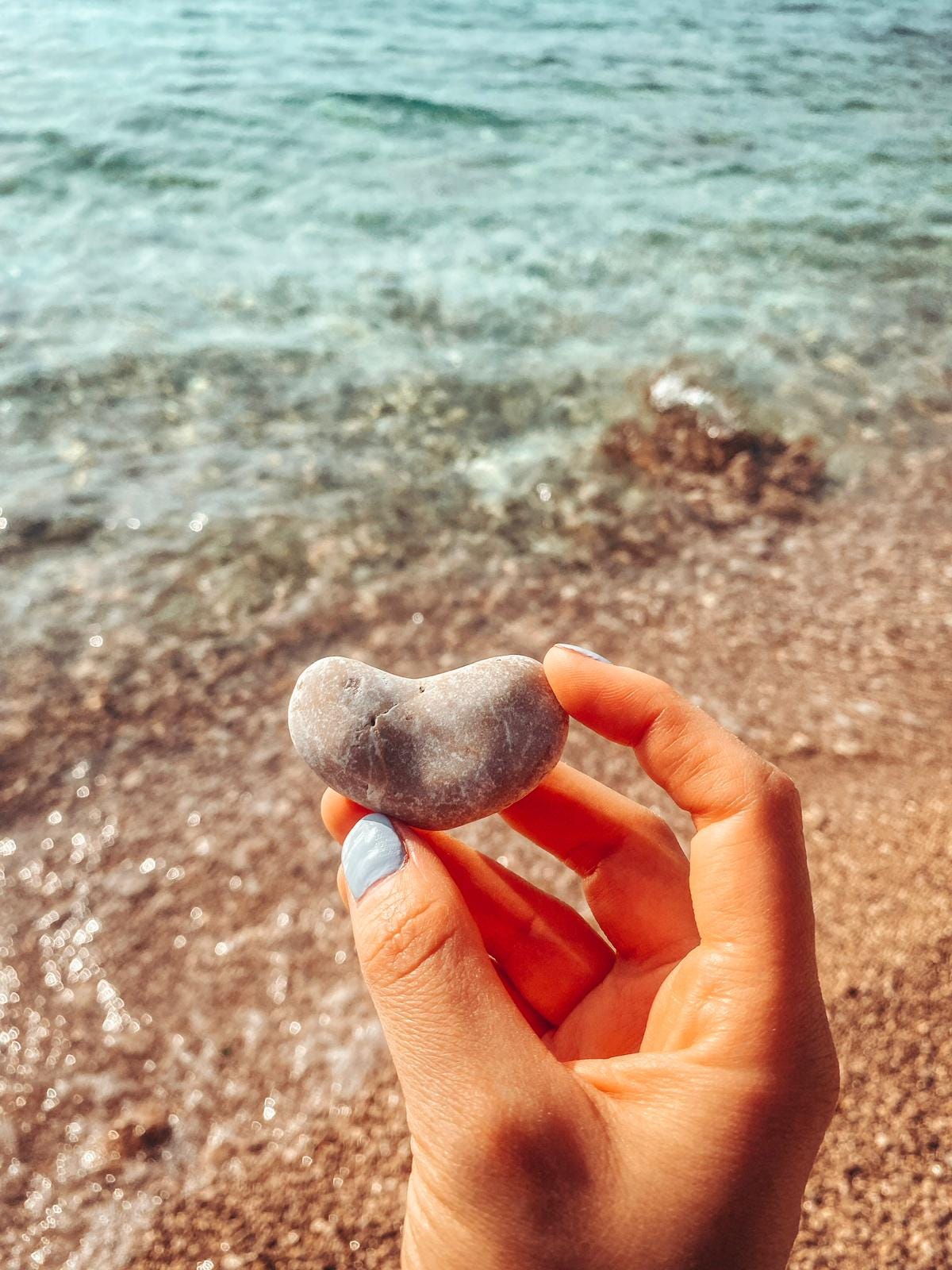
Why summer specifically throws people off
The routines that hold us together during the year are largely structural. You eat at roughly the same times, you move in ways that fit your schedule, you sleep in your own bed. The structure does a lot of the work without you having to think about it.
Summer disrupts that structure, sometimes overnight. Different time zones, later nights, more alcohol, more eating out, more heat, less sleep, less of your usual movement. Any one of these on its own is manageable. All of them at once, for two or three weeks, is a different thing entirely for your blood sugar, your gut, your hormones, and your energy.
This is why you can come back from a vacation feeling worse than when you left, even though you were technically resting.
The goal isn’t to prevent any of this from happening. The goal is to have a few anchors that keep you stable enough that your body can handle the rest.
The pillars worth holding onto
Blood sugar first
This is my non-negotiable, because it underpins everything else. When blood sugar is swinging, your energy crashes, your cravings spike, your mood becomes unpredictable, and your sleep suffers. All the things that already feel harder on vacation.
You don’t need to eat perfectly to keep blood sugar stable. You need to eat with some structure. That means not skipping breakfast because you slept in and then eating a pastry at 11 am on an empty stomach. It means having some protein at most meals, even if the meal itself is a restaurant one. It means not arriving at dinner so hungry that you eat a basket of bread before the food comes.
These aren’t restrictions. You can still have the croissant, but it’s better after a meal. You can still have the bread, but with the meal itself. What I’m offering is a loose framework that gives your body something to work with.
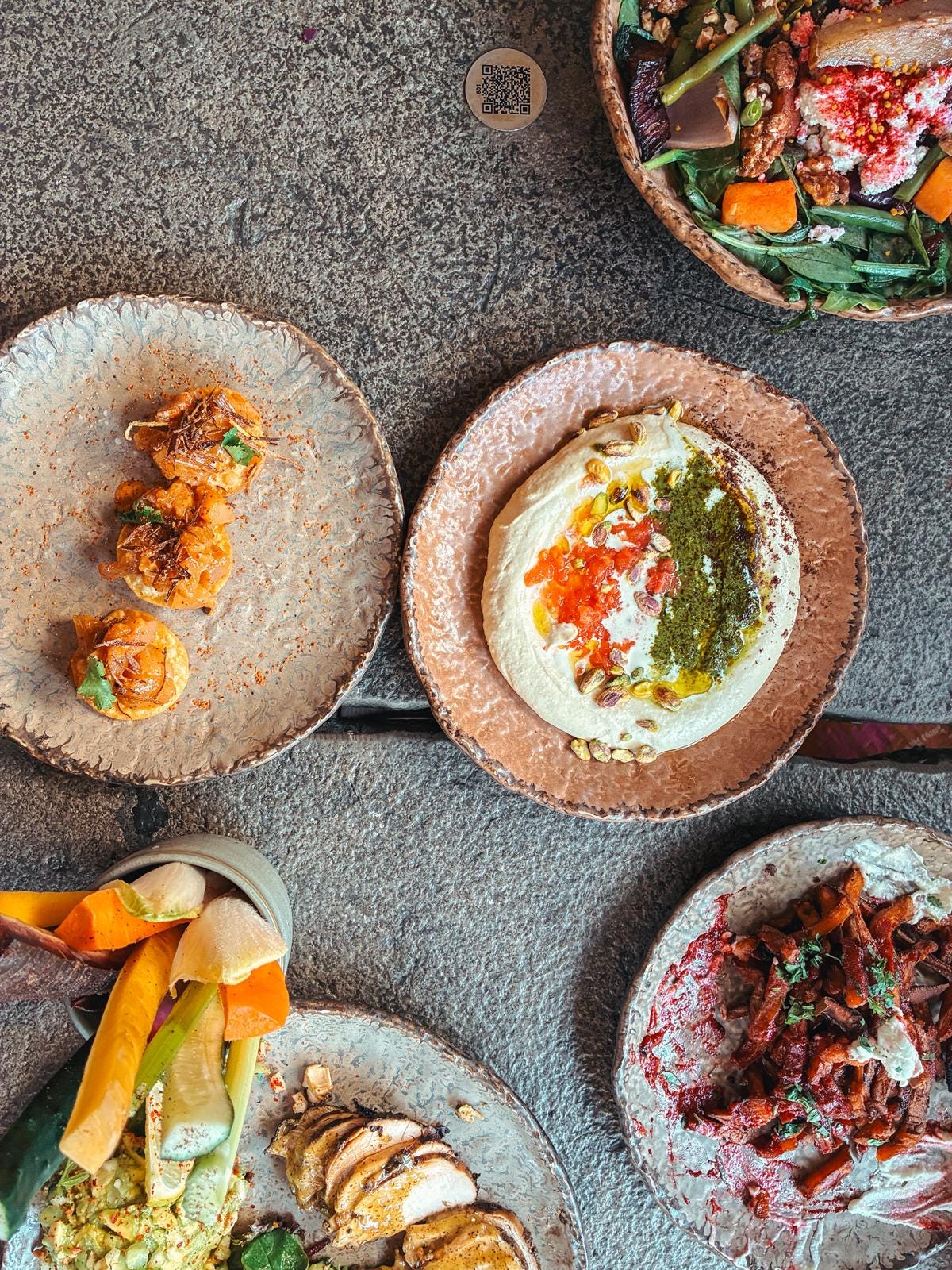
Protein as your anchor nutrient
Eating out every day makes it harder to control what’s on your plate, but protein is usually findable everywhere. Eggs at breakfast, fish or meat at lunch or dinner, Greek yogurt, legumes. When you make protein the one thing you’re consistently looking for, everything else becomes more flexible.
Protein keeps you full, stabilizes blood sugar, and reduces the likelihood of ending up in that mid-afternoon crash-and-craving spiral that sends you toward whatever sugar is closest.
Alcohol with some awareness
I’m not going to tell you not to drink on vacation. And I’m not going to encourage you either, because alcohol really is poison and has absolutely zero health benefits, but I am aware that it is present everywhere and it’s a cultural and social component. That’s why I think it’s worth understanding it well enough to make informed decisions. It affects sleep quality significantly, even in small amounts, it disrupts blood sugar overnight, and it tends to lower the threshold for other choices the next day.
A few things that actually help: eating before you drink, having it earlier in the day, not before bedtime, alternating with water, and not making it an every-single-night habit if you’re away for more than a few days. One or two evenings where you don’t drink, even just because you don’t feel like it, can make a noticeable difference in how you feel across the trip.
Sleep as a non-negotiable (even if the timing shifts)
Later nights are fine. Consistently late nights combined with early mornings are where things unravel. Your cortisol rhythm, your blood sugar regulation, and your hunger hormones are all downstream of sleep. When sleep goes, everything else gets harder to manage.
You don’t need to be in bed by 10 pm on vacation. But protecting the total hours, even if they’re shifted later, matters more than most people realize.
Vacation is also where I focus more on quality than quantity. Getting some morning light early in the day, even just having your coffee outside, does a lot to keep your circadian rhythm anchored.
Movement that fits the context
This is the one most people either over-engineer or abandon completely. You don’t need to find a gym. You don’t need a structured workout. But you do feel better when you move, and summer actually makes this easier, not harder. Swimming, walking, hiking, cycling around a new place.
If you reframe movement as part of how you experience a place rather than something you have to fit in before the day starts or check off a fitness list, it tends to happen more naturally and feel a lot less like an obligation.
Hydration, especially in the heat
This one sounds obvious but it’s genuinely underestimated. Mild dehydration is enough to cause fatigue, headaches, difficulty concentrating, and increased cortisol, all of which get blamed on other things. In summer heat, especially if you’re drinking alcohol or more coffee than usual, your needs go up.
A water bottle you actually carry, a habit of drinking a glass of water before coffee in the morning, and being aware that thirst often shows up late are enough. If you’re sweating a lot, you can add in some electrolytes to make sure you’re hydrating efficiently.
What to let go of
Tracking. Logging. Counting. Weighing yourself mid-trip. Feeling guilty about the meal you ate last night.
These things take up cognitive space that summer is supposed to give back to you. And beyond the mental load, the stress of trying to control everything is itself a physiological burden. Cortisol doesn’t care whether you’re stressed about work or stressed about whether the pasta you had was too much.
The women who come back from summer feeling genuinely good are almost never the ones who tracked everything. They’re the ones who ate mostly well, moved in ways they enjoyed, slept enough, and let the rest go without a second thought.
That’s the goal. A good summer, not a perfect one.
A different way to think about it entirely
There’s a saying that goes: build a life you don’t need a vacation from. I think the same applies to health.
If summer feels like the time you finally get to escape your eating habits, your routines, your rules around food, maybe it’s worth sitting with that for a moment. Because health built on restriction and obligation will always feel like something to get away from. Of course you want a break from it.
But health built around how you want to feel, around energy, around a body you trust, around food that actually nourishes you, doesn’t feel like a prison you need two weeks off from. It travels with you. It shows up at the restaurant table and on the beach and at the late dinner with people you love, not as a set of rules you’re following, but as a way of taking care of yourself that you’ve genuinely made your own.
The goal was never perfect adherence. It was building something sustainable enough that summer, with all its disruption and pleasure and late nights, fits inside your life rather than threatening to undo it. Because life is full of summers, birthdays, celebrations, busy days, and other moments that will disrupt your routine. Health should be built for those moments too, especially for them, not just for the ideal, controlled days.
So instead of asking how to stay on track this summer, maybe the better question is: does your approach to health feel like something you do FOR yourself, or TO yourself? The answer to that will tell you more than any list of tips.
How do you tend to navigate summer? I’d love to know if you lean more toward the over-control side or the throw-it-all-out side, and what’s worked for you.
In case you missed my previous Wholesome Wednesday article:

Thank you for being here. ✨ Whether you’ve just found this space or you’ve been reading for a while, I’m genuinely glad you’re here. 💛
If something resonated, sharing or restacking is the kindest thing you can do for this work. And if you or someone you know is ready to make sense of what’s going on in their body — hormones, blood sugar, energy — a free discovery call is the place to start.
Stay wholesome,
Karina, CFNC
Thanks for writing this, it's good to relax the rules sometimes and it helps some of us to get confirmation that it's ok and healthy to do so sometimes!
I love the point "health built on restriction and obligation will always feel like something to get away from". So many useful ideas for finding balance over the Summer, Karina. I recently went to France for a holiday and found that a few extra ice creams and a couple of later nights were absolutely fine when balanced with all the time I spent outdoors, close to nature and natural light 🥰. My nervous system felt so rested, but it was because there were still anchors in place, as you say.