

We were not always healthy. 8 things we wish we'd known about our health then
From two functional nutritionists



What life was like 10 years ago
Karina
Oh, wow, life 10 years ago was so, so different, in every way.
Which is important because many people assume that I always ate healthy and I was always health-conscious, but really, I don’t think I ever thought about fibre or protein before my 30s. 10 years ago, I would be the first to try all the new Coke, Oreo, and Fanta flavours, all the newest ultra-processed foods, and I was proud of it. I’d stay out late, binge drinking most weekends and run on caffeine, energy drinks, and very little sleep.
In your 20s, there’s a lot you can get away with. My teens and 20s were a time of experimenting with lots of diets that had nothing to do with physiology or nutrition, then came the vegetarian years that, topped with a pregnancy and extended breastfeeding, left me severely nutrient-deficient.
That led to a cascade of issues, and not finding answers anywhere led me to taking my health into my own hands, which is how I eventually got into functional nutrition.
Kate
I was living my life at 100 miles per hour.
I spent long days in my high-pressure job, then I’d rush across London to meet friends for drinks most evenings of the week. On the surface, it was exciting, but I was running on adrenaline and caffeine.
I barely slept, I struggled to find time to cook, and when I ate, it was often processed vegetarian food. I held myself to incredibly high standards at work and at home, and I rarely had time to enjoy the life I had built.
Eventually, my body said no. A bout of food poisoning triggered a cascade of events in my body - from losing my period to fainting every day. Eventually, I collapsed with chronic fatigue and was unable to work or live my life fully for 2 years.
That’s when I found functional medicine. After countless disappointing doctor’s appointments, functional medicine provided the framework I needed to get better.
The lessons we’ve learnt along the way
1. A woman’s productivity looks very different from a man’s. It ebbs and flows with our cycle.
Karina
We’ve been treated like little men for so long.
Most of the research and recommendations in the health and wellness space are still based on male physiology, which differs significantly from women’s.
Men function mainly on a 24-hour energy cycle; they peak in the first part of the day and naturally decrease toward the end. While we also have a 24-hour cycle, we function mainly on a 28-day cycle, also called an infradian rhythm. Our energy peaks in the first part of our cycle, in the follicular and ovulation phases, and it’s naturally lower in the luteal and menstrual phases.
Yet we expect women to perform the same every single day, without taking into account these ongoing hormonal and physiological shifts.
Kate
Years ago, I used to think not keeping up with my male colleagues in the second half of my cycle was a failure. So I pushed through.
Now I see that it’s about women being more conscious of the type of work they do throughout their cycle. The first half is for the big creative work and learning, and the second half lends itself to detailed or more routine work.
Harnessing our energy at the right times can be a superpower if we let it.
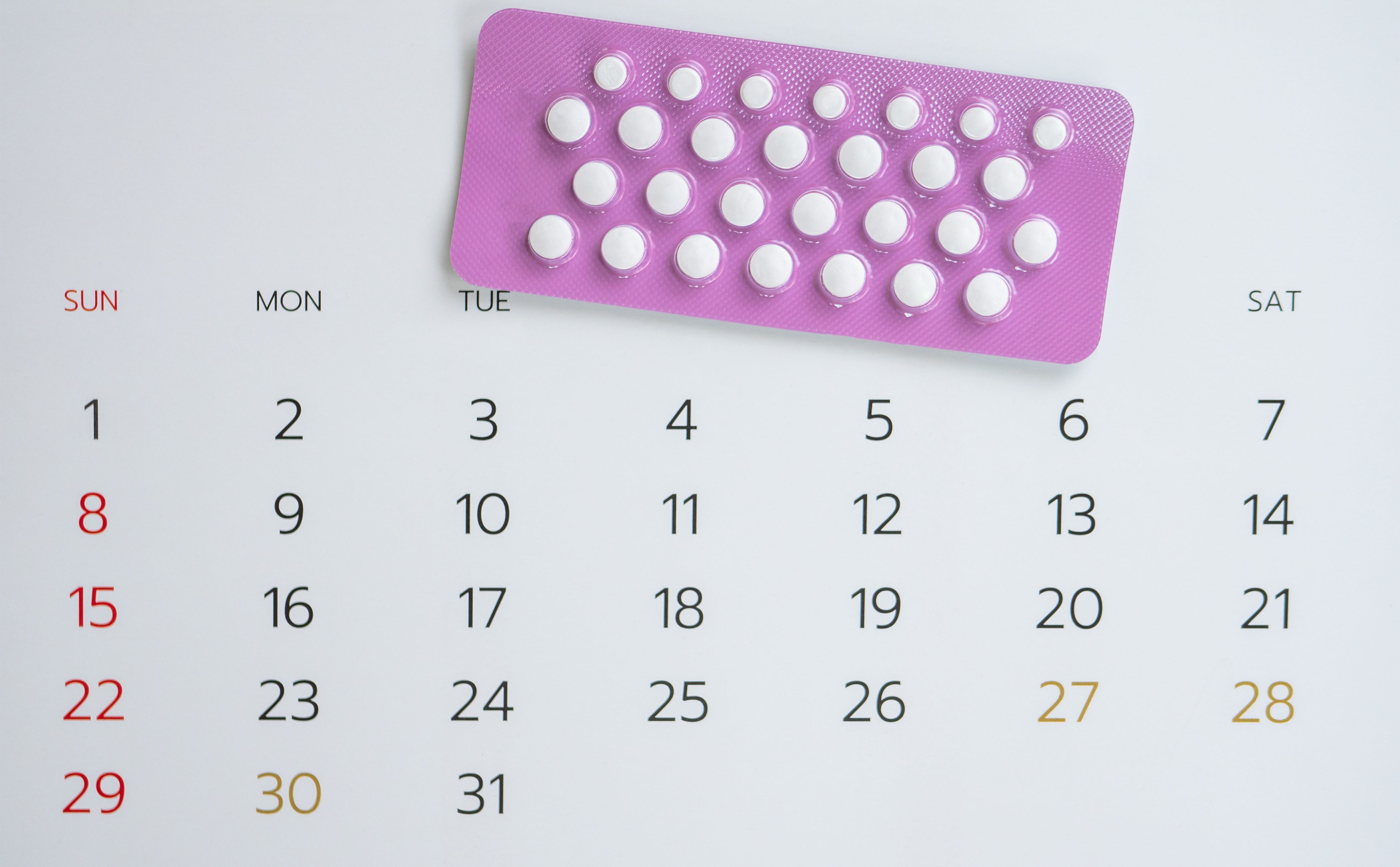
2. There are better ways to prevent pregnancy than oral birth control, which often causes hormone imbalance.
Kate
Most women have not been told something important about oral birth control - it suppresses the hormones which lead to ovulation, and healthy ovulation is like a woman’s monthly ‘report card’.
If you don’t ovulate, you are not producing enough progesterone, and progesterone is needed for good sleep, mood, bone strength and metabolic balance. It’s about so much more than whether you can make a baby.
Synthetic progesterone, found in birth control, does not have the same biological impact, nor does synthetic oestrogen. In fact, synthetic oestrogen can lead to a condition called oestrogen dominance, and it is the reason why so many women gain weight and suffer from low mood or anxiety using oral birth control.
One of the biggest lies we are told as little girls is that we can get pregnant at any time, when in fact we are only fertile for a very short window each month. Which is why the fertility awareness method is so effective. It’s a method of cycle tracking, identifying ovulation and avoiding sex during the ovulation window.
No drugs or hormones changing your biology, just being in tune with your natural rhythm.
Karina
My personal experience with birth control is limited, as I have never taken it to prevent a pregnancy. However, I took oral birth control twice, for a few months each time, prescribed by a doctor for hormonal issues and heavy period bleeding.
Looking back now, a different approach might’ve served me better both times. I felt the side effects deeply, especially in my mood and libido.
What many of us don’t realise is that hormones don’t work in isolation. When you give your body synthetic hormones, you are setting off a cascade of events in your body and brain.
3. Excluding animal proteins from your diet can lead to significant nutrient insufficiencies.
Karina
I experienced this firsthand, although I only realised it when the damage had been done.
I was in my early days of becoming more conscious about nutrition, and like many people back then, I stumbled across several documentaries about animal protein and its effects on the environment, climate change, and health.
I initially gave up meat for ethical and environmental reasons, but the health arguments seemed to make total sense to me at the time. Now, looking back, excluding animal protein led first to insufficient macro and micronutrient intake. I wasn’t eating only pasta and salads, but I also wasn’t tracking my protein, iron, or B12.
That gradually lowered my already low stomach acid, which felt fine at first, but eventually compromised my digestion and nutrient absorption further. Add pregnancy and breastfeeding on top of that, and I ended up severely nutrient-depleted.
Combined with postpartum hormonal shifts, it was the perfect storm that triggered dysfunction in my thyroid, adrenals, and gut.
Kate
Sadly, I have a similar story to Karina.
I genuinely thought that vegetarianism was good for me, and it wasn’t until I discovered various nutrient deficiencies that I questioned it.
Adding grass-fed meats, bone broths and fish back into my diet helped me recover from anaemia and other important deficiencies.
This doesn’t mean vegetarianism is always bad, but it does mean it’s vital to know about your physiology and nutrient status to know if it’s working for you.
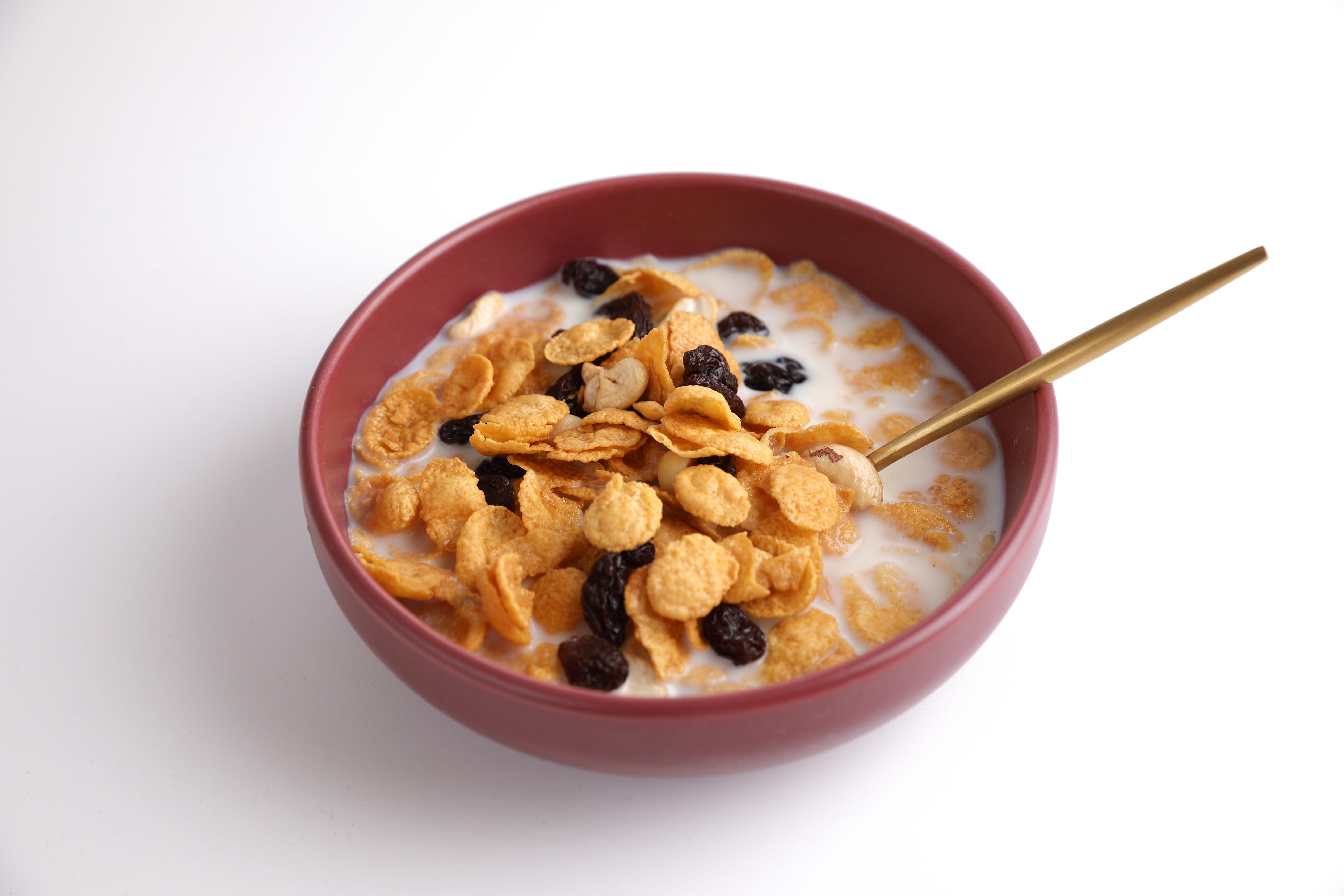
4. Low-fat foods can promote weight gain, rather than weight loss.
Kate
Following some questionable scientific studies, dietary fat was demonised in the 1980s as it was thought to cause heart disease. Cue manufacturers creating supposedly “healthy”, low-fat products.
The problem?
They’d replaced fat with sugar to improve the taste, and we now know that sugar is, and probably always was, the main culprit behind heart disease.
Sugar raises blood sugar, and over time, this leads to inflammation and weight gain. It’s particularly problematic when it’s consumed without fat to slow down the sugar release in your bloodstream.
I got brainwashed into low-fat culture, and I ended up pre-diabetic!
So, if you’re hoping to lose weight…skip the low-fat, high sugar/sweetener foods, like yoghurts or granolas with skimmed milk. Instead, opt for full-fat, whole foods, but skip the sugar.
Karina
The idea that you have to stop eating fat to lose weight is still so ingrained in our culture.
There is a real fear of fat, especially among women, when in fact we need dietary fat to produce sex hormones, absorb fat-soluble vitamins like D, A, K, and E, and support brain and mood health.
Cutting it out doesn’t make us leaner. It makes us hormonally depleted.
5. High-intensity exercise can work against your body, driving up stress and inflammation.
Kate
Everything in my life was once fast, including my exercise. I did high-intensity training every week, believing it was good for me.
And the truth is, it kind of felt good. I felt flooded with energy after a session.
The problem was that the energetic feeling came from adrenaline, which did not create new energy; instead, it was borrowing from my body’s emergency reserves, and then leaving me exhausted later.
You see, high-intensity exercise is a stress on your body.
All good, if you have a resilient nervous system that knows how to switch in and out of stress with ease. But terrible if you already have a lot of stress in your life and your nervous system is primed for fight, flight and freeze.
That’s when high-intensity exercise can contribute to imbalances in your body, leaving you chronically stressed, inflamed and unable to lose weight.
Karina
We live in a time of constant exposure to stressors, and we are overstimulated around the clock.
I see this in people around me and in the women I work with. Most of us are in fight, flight, or freeze the majority of the time, running on a dysregulated nervous system.
If you then add high-intensity workouts, fasting, or extreme cold exposure, even those supposedly “good stressors” become yet another layer that the body has to manage, because the capacity to cope is already maxed out.
6. Trying to do it all or please everyone is a fast track to burnout.
Karina
As a recovering perfectionist and people pleaser, I’ve walked this path most of my life.
Then, when I became a mother, and everyone seemed to have a very loud opinion about how I should be doing things, I decided to do everything myself. Long story short, it did not work out in my favour.
Motherhood, especially when you are there every second of every day with your baby, is as wonderful as it is overwhelming. It took me a long time to really sit with the idea that it takes a village to raise a kid and that we were never meant to do this alone.
Can we? Sure.
Will we burn ourselves out in the process? Most likely.
Kate
I had to learn a very hard lesson - 10 years ago, my body was in a near-constant state of stress, partly because I couldn’t ask for help or be honest about what I wanted.
Like Karina, I’m recovering from this…
Motherhood is a perfect storm for burnout, but my little boy has been my greatest teacher. I’m learning from him that the happy times come from being present in the mess and the imperfection - something my body read as ‘danger’ for so many years.
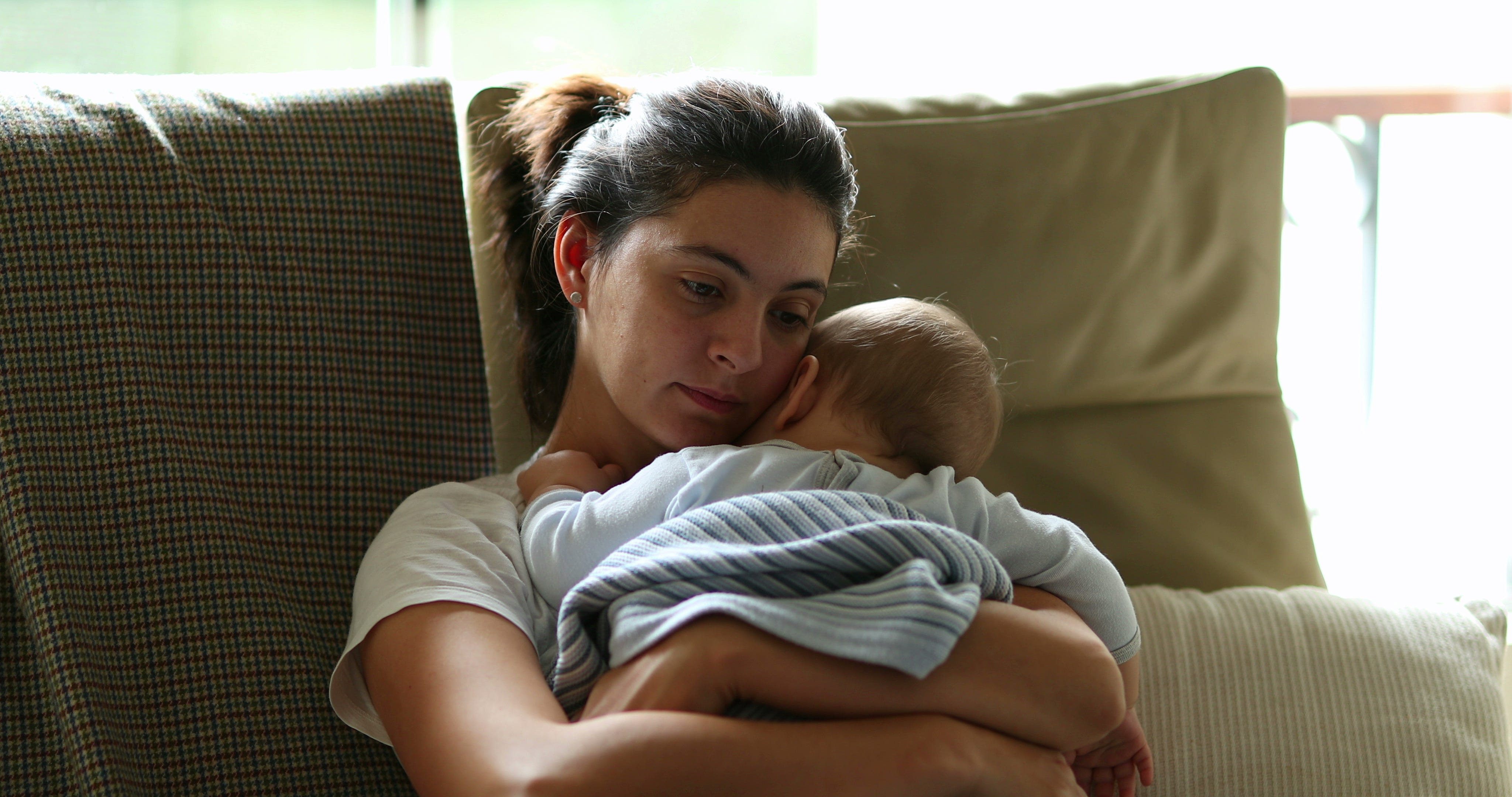
7. The postpartum period can be the perfect storm for a woman’s health, and almost no one warns you.
Karina
This was absolutely my story 6 years ago.
Everyone talks about the pregnancy, and some talk about pre-conception, but once the baby is born, attention shifts entirely to the baby. The mother’s health disappears from the conversation.
So that’s what I did too: I read about pregnancy, devoured the baby and parenting books, and the only postpartum topic I knew anything about was the possibility of depression. Once I dodged that bullet, I thought I was in the clear.
But the postpartum period carries so many compounding factors: sleep deprivation, nutrient depletion, a body still recovering while simultaneously producing food for another human.
All of that can become a trigger for autoimmune disease, blood sugar imbalances, adrenal dysfunction, and hormonal issues.
Kate
I suffered from hyperemesis gravidarum (extreme sickness) during my pregnancy, which meant severe depletion on top of regular pregnancy depletion.
Looking back, I’m certain that it played a role in what turned out to be a traumatic birth, a low milk supply and later, PTSD symptoms.
No-one tells you these things in conventional medicine. No-one connects the dots.
But as Karina says, post-partum can be a perfect storm and trigger point for serious health issues, so never be afraid to ask for help.
8. Thyroid dysfunction is one of the most commonly missed root causes in women, and the standard tests often aren’t enough to catch it.
Kate
Like so many women that I work with now, my thyroid was given the all clear by my doctor, when in fact, it was underactive and contributing to my fertility challenges and fatigue.
The problem was that the testing hadn’t gone far enough.
Most doctors only test TSH, which is not a thyroid hormone at all, but a messenger hormone. There are many versions of hypothyroidism that it can’t tell us about, including the most common form, Hashimoto’s, which can only be identified by testing thyroid antibodies.
So much about today’s world disrupts the thyroid, from stress to nutrient-poor foods to environmental toxins. Which is why hypothyroidism is probably the most underdiagnosed condition in women.
Karina
Hypothyroidism runs in my family.
I can look back at most of my life and recognise the signs: sensitivity to cold that came and went, ongoing digestion issues, periods of unexplained weight gain.
Yet when I asked my doctor to run a full thyroid panel in my late 20s, they only ordered TSH and FT4, and told me I was too young to be asking for those tests anyway…
What those results didn’t show was that my TSH, while technically within normal range, was outside the functional range, and my antibodies were beginning to creep up.
Nothing a conventional doctor would flag, but early signs of underlying autoimmune activity and gut dysfunction.
These patterns being missed is, unfortunately, the reality for so many women today, even as thyroid dysfunction has become one of the most common health issues among women.
In conclusion
We’ve both been through many years of suffering with our health, but we’d never look back now.
These times taught us some of our most important life lessons. It opened our eyes to how to live with more freedom, more fulfilment and more nourishment.
We are now passionate about helping others do the same.
Thank you for reading,
Karina and Kate x
In case you missed my previous Wholesome Wednesday article:
Thank you! ✨
A heartfelt thank you to everyone who reads, shares, and supports my work here on Substack. Whether you’ve been here for a while or just landed in this space, I’m so glad you’re here. 💛
✨ P.S.
If something I’ve shared resonates with you, I’d be so grateful if you forwarded it to a friend or hit the 💛 Recommend or ♻️ Restack button. It’s a simple way to help more people discover this space and feel supported in their own wellness journey.
💌 If you or someone you know is navigating hormonal, metabolic, or blood sugar-related challenges, or simply wants to feel more at home in their body, you can always book a free discovery call with me to learn more about working together 1:1.
Thanks again for being here.
Stay wholesome,
Karina, CFNC
 | A guest post by
|
This is excellent! Thank you. If you have bandwidth, can you jot down in a comment what thyroid tests we should ask for? TYSM
Thank you for this.
I, too, have Hashimoto's--undiagnosed for so long. I have stories. They aren't good stories.
Advocating for yourself, finding good health care providers, doing what you can for your own health--all part of what is necessary.